Why Flinders Agriculture

Trusted soil amendment solutions backed by 130+ years of experience and agronomic support.

Built on 130+ Years of Soil Expertise

For more than 130 years, Flinders Agriculture has supported Australian growers with proven soil amendment solutions backed by field experience, technical knowledge and consistent supply capability.
Sustainability in Practice
Healthy soils underpin productive agriculture.
At Flinders Agriculture, sustainability is embedded in how our products are sourced, refined and delivered.
Our Calcium Silicate is derived from a 100 percent recovered industrial source and processed under strict quality control to ensure consistent elemental composition and suitability for agricultural use. With the addition of locally sourced Dolomite, Lime and elemental Sulphur, we formulate refined blends tailored to crop, soil type and regional conditions.
As responsible mineral resource operators across Queensland and New South Wales, we implement progressive rehabilitation programs designed to return land to productive, long-term use.
We also partner with Greenfleet to offset operational carbon emissions through the restoration of legally protected native forests across Australia.
Sustainability is not an add-on. It is embedded in how we operate.
Refined, Not Mined
Flinders Calcium Silicate is not a quarried commodity. It is a refined mineral product manufactured to deliver consistent composition and predictable performance in agricultural systems.
Our focus is not on extraction alone, but on formulation. Through blending, grading and agronomic alignment, we provide soil amendments designed to improve soil function, nutrient balance and plant resilience.
Our Commitment to Rehabilitation
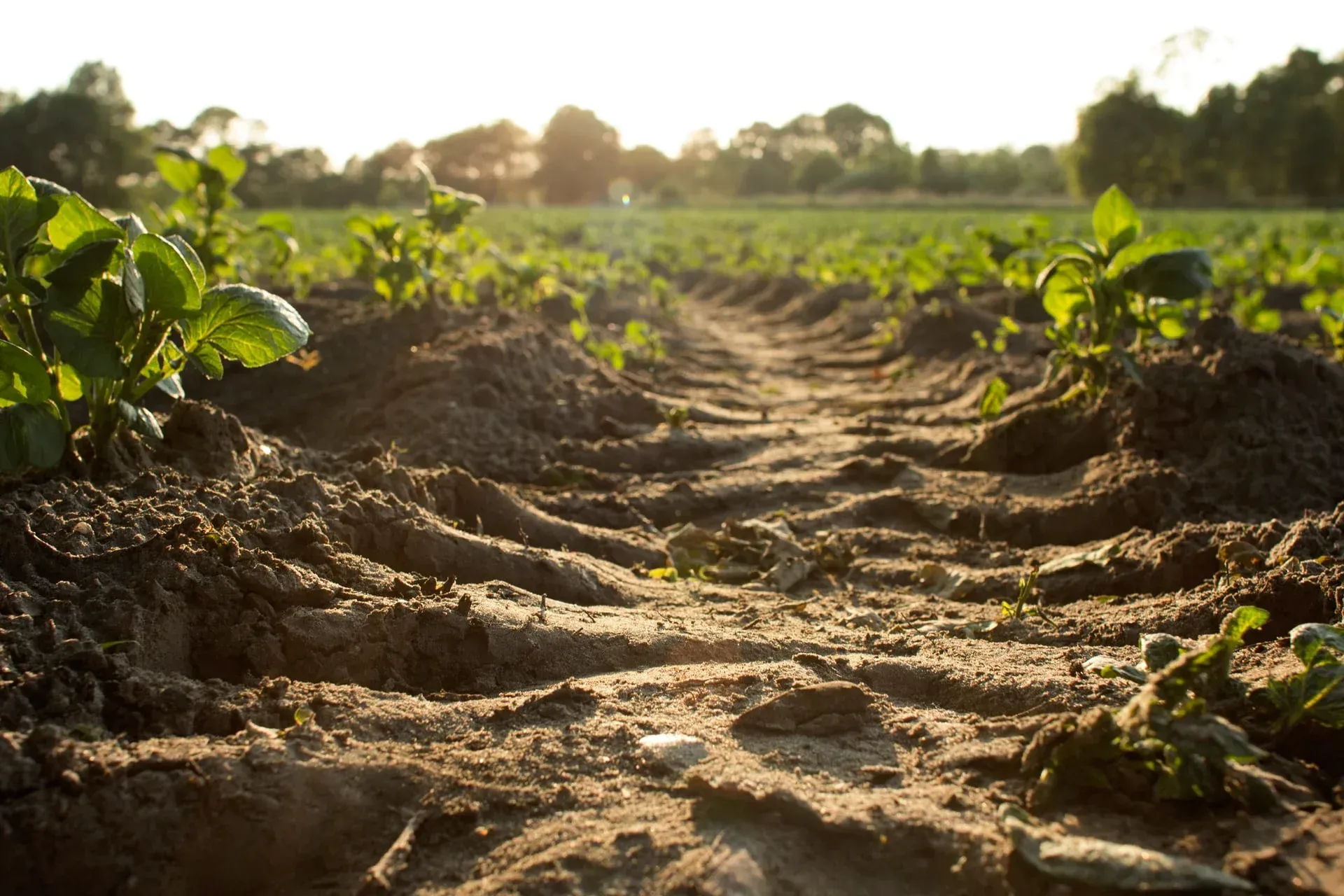
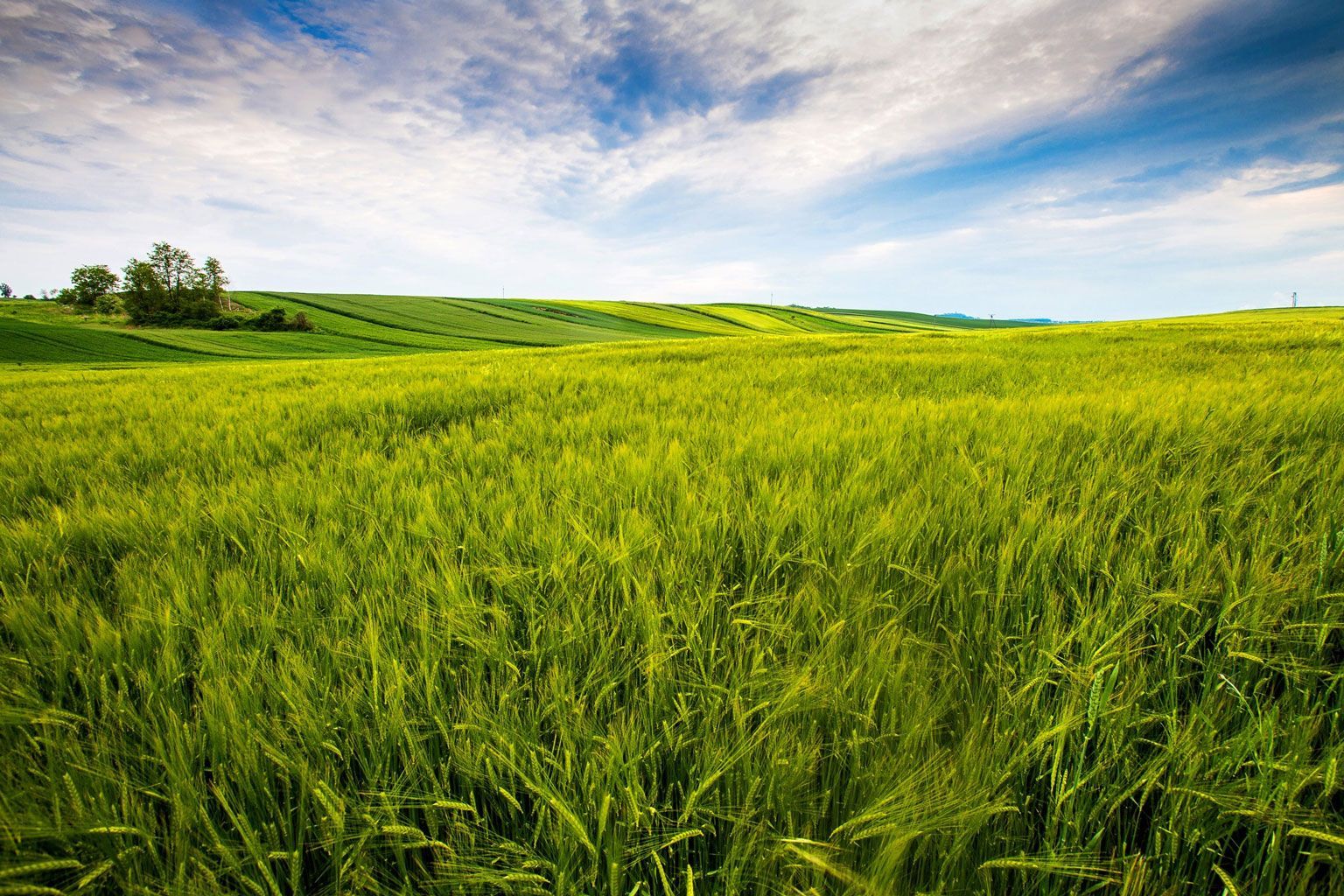
As a responsible owner of mineral resources throughout Queensland and New South Wales, we take our environmental management seriously and ensure we exceed the regulatory requirements of our licenses and associated conditions. Thorough progressive rehabilitation plans have been developed to ensure that the land is returned to a state that will be an asset for future generations.
Partners in Sustainability
We recognise that manufacturing and transport carry environmental impact. To offset operational emissions, Flinders Agriculture partners with Greenfleet, supporting the restoration of legally protected native forests across Australia.
This partnership contributes to carbon sequestration, improved biodiversity and long-term landscape restoration.
Agronomy-Led Support
Our team brings practical farming and crop production experience to every recommendation. We work directly with growers across broadacre, sugarcane, horticulture and pasture systems to ensure product selection and application rates are aligned to local soil conditions and production goals.
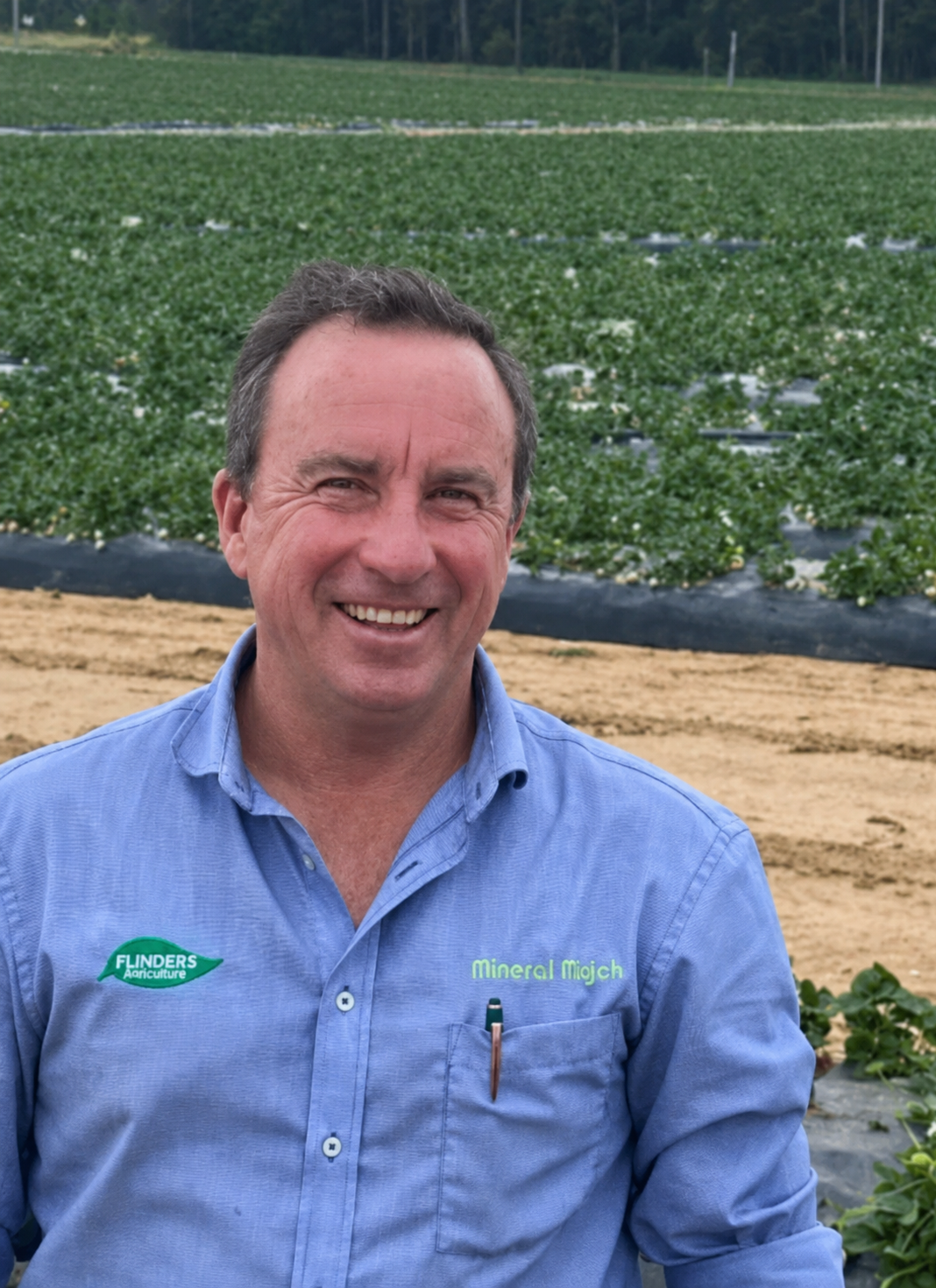
Mike Webster
Mike was raised on a mixed cropping and grazing property west of Goondiwindi, Queensland, and holds formal qualifications in Agronomy from the University of Queensland Gatton.
With more than 20 years’ experience in broadacre and livestock production, combined with rural retail and agribusiness management roles, Mike brings a practical, whole-of-system understanding to soil and crop management.
At Flinders Agriculture, he works directly with growers across South East Queensland, supporting sustainable improvements in soil function and plant health across broadacre and pasture systems.
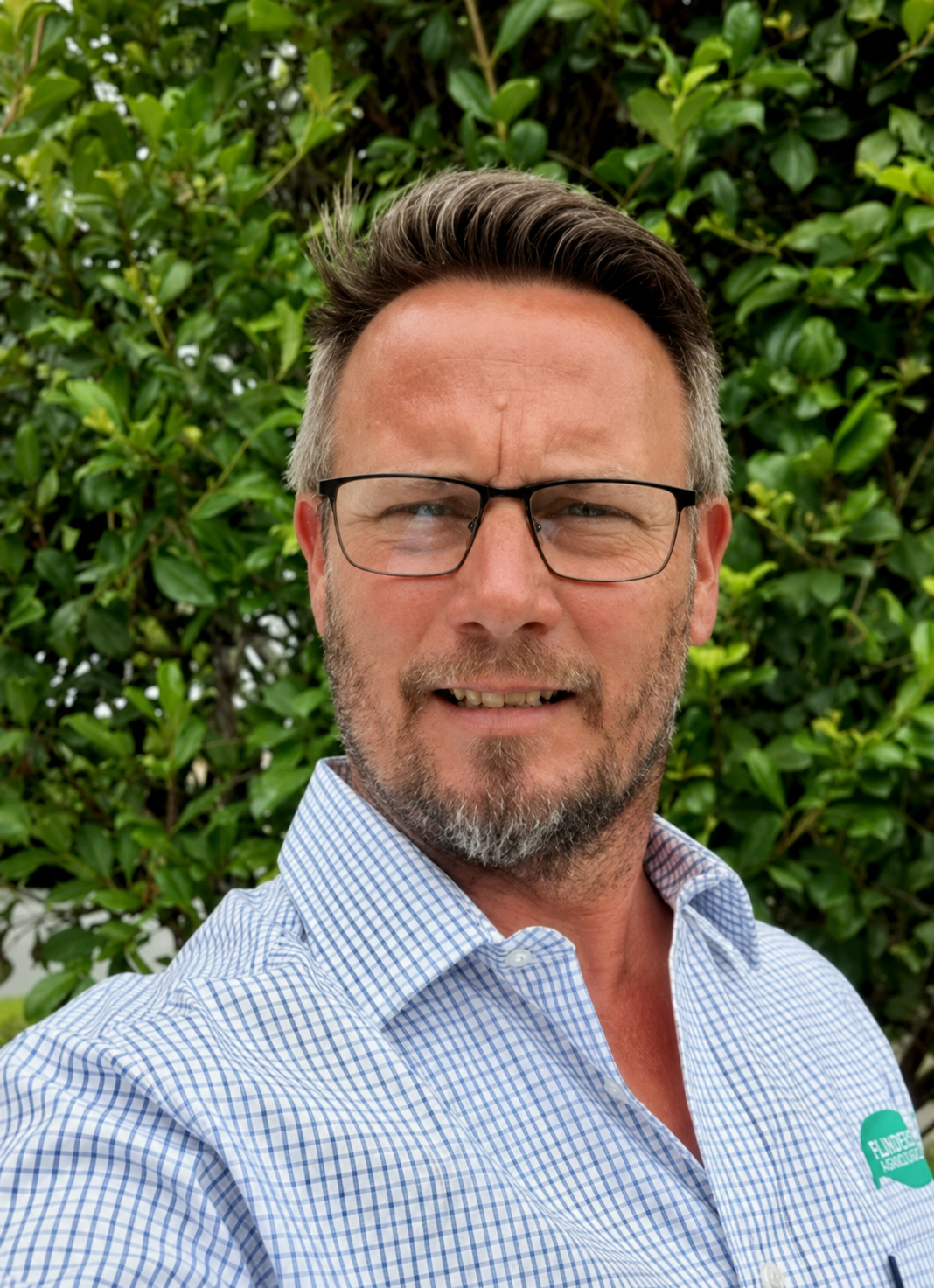
Boyd Williams
Boyd was raised in the cane-growing region of Bundaberg, Queensland, and brings extensive hands-on experience in horticulture and sugarcane production.
With more than a decade managing avocado and macadamia orchards, he understands the practical soil and crop management challenges faced by growers in high-value production systems.
At Flinders Agriculture, Boyd works closely with cane and horticultural producers to improve soil balance, plant resilience and long-term productivity.
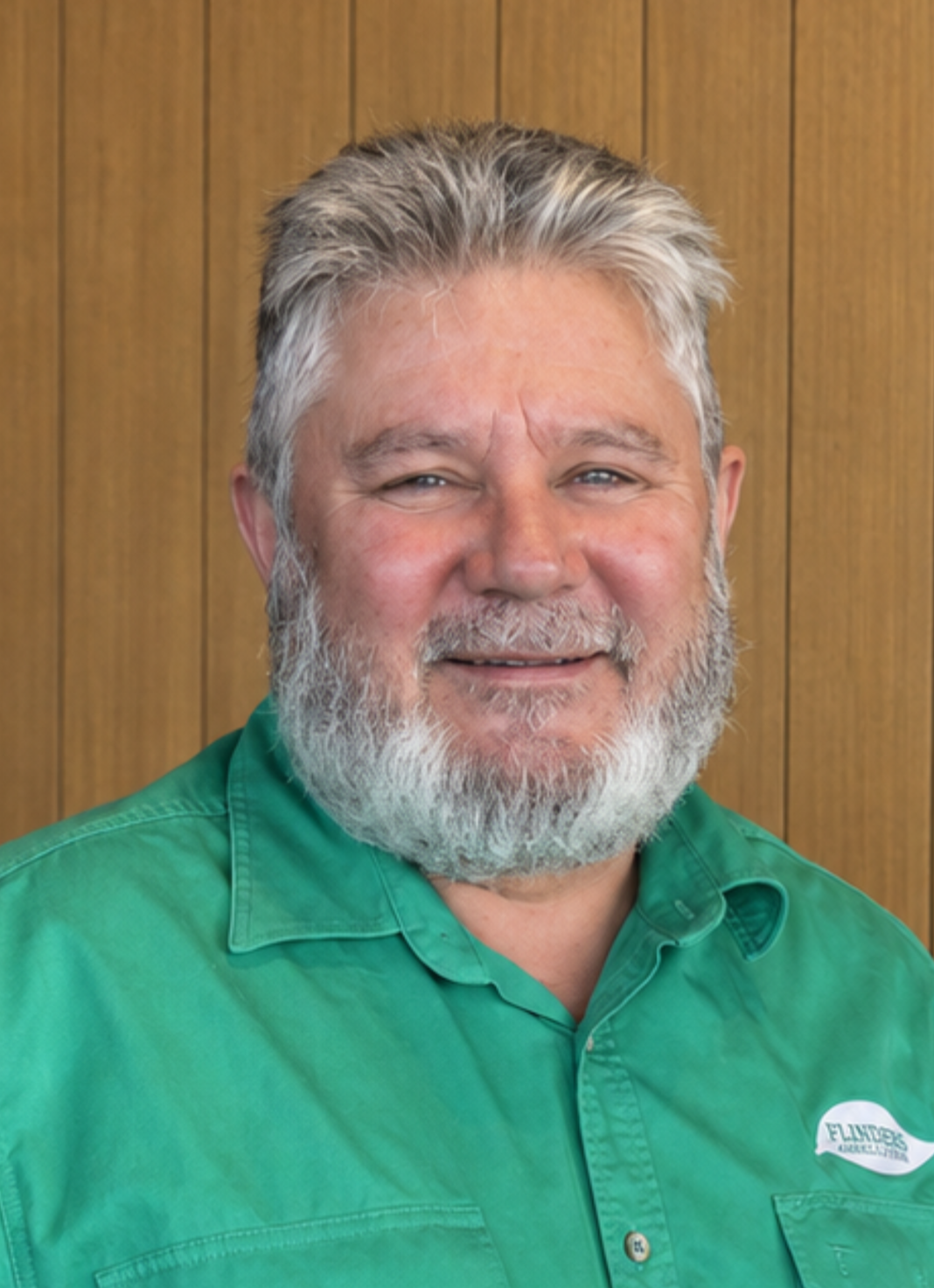
Scott Beckett
Scott is an agronomist with almost 20 years’ experience across horticultural and arable agriculture. He holds a Bachelor of Applied Science from Oregon State University and has worked in technical, grower-focused and commercial roles with Ballance Agri-Nutrients, Farmlands Co-operative and ICL Growing Solutions.
As Sales and Agronomy Manager at Flinders Agriculture, Scott works with growers to identify soil constraints and develop practical strategies that improve soil function, crop health, resilience and productivity.